



It was 2:30 a.m., and my roommate was already asleep.
I huddled in the corner of the bed, wrapped in a blanket, with my phone's brightness turned down to the lowest setting.ScreenInside was "lifeThe finale of "The Tree". I turned off the comments and kept the volume down on my headphones, but I couldn't stop crying.
After watchingAfter watching the last episode, I stared blankly at the black screen for a while, then opened WeChat and sent my mom a message: "Mom, I want to go home."
She replied instantly: "Isn't the holiday starting next month?"
I didn't reply. Sometimes, the homesickness I feel isn't because of how much longer I have to live, but because the images on the screen just now reminded me so much of something from my memory.
What exactly is "The Tree of Life" about? Why is everyone online urging you to watch it?
If you haven't gotten into this show yet, take two minutes to learn more about it—
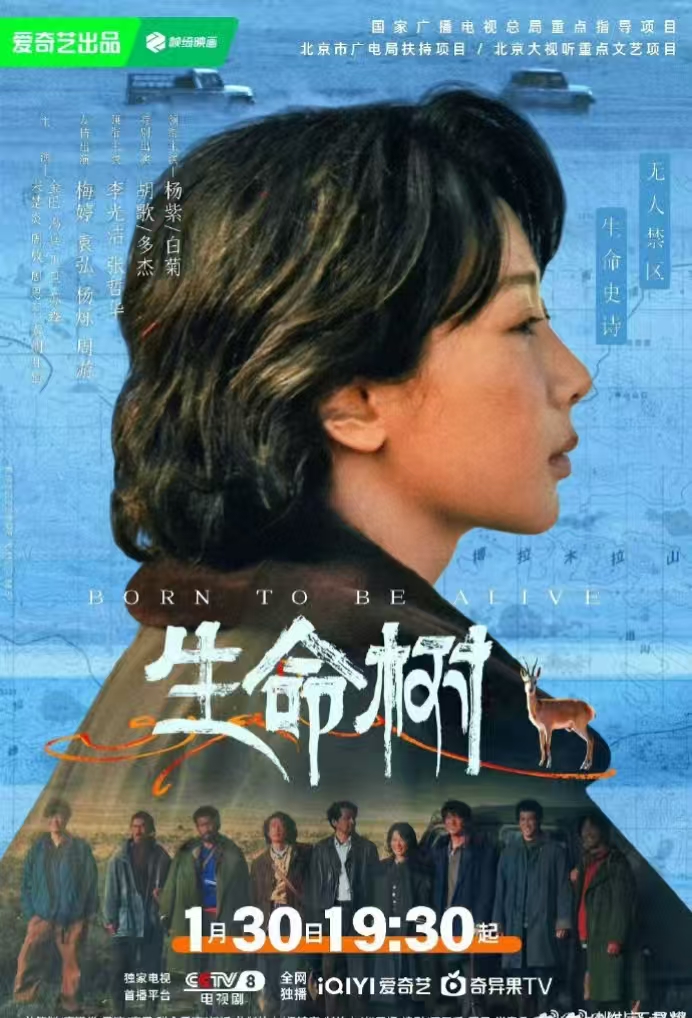
? Broadcast Information Overview
| project | information |
|---|---|
| Title of the play | Tree of Life |
| Episodes | 30 episodes |
| First broadcast time | January 2025 (Beijing time) |
| Broadcasting Platform | AkiyoExclusive broadcast, two episodes updated every night at 8:00 PM, members can watch in advance. |
| type | Family drama/period drama |
? Cast
The casting for this drama is absolutely superb; every single one of them is a "ceiling of acting talent."
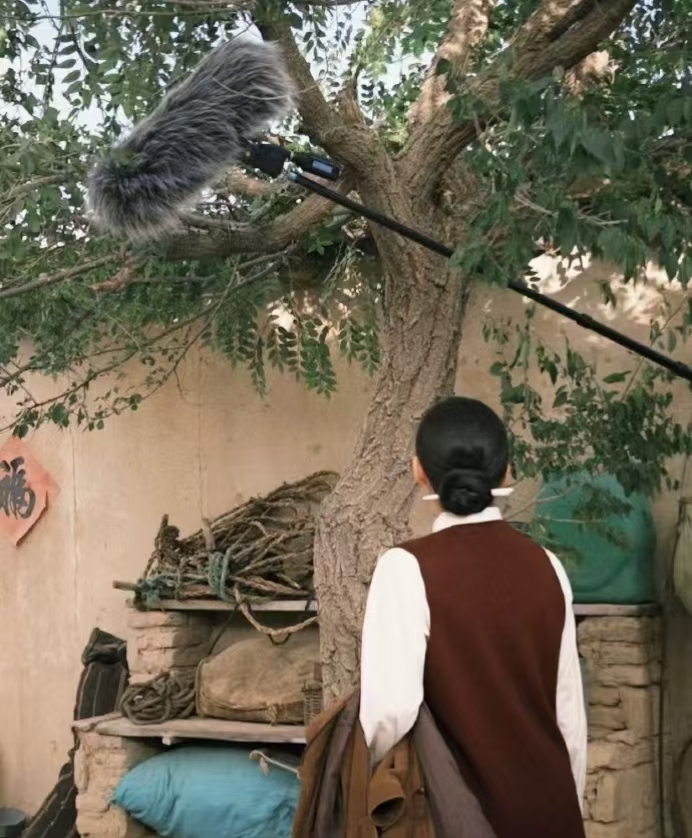
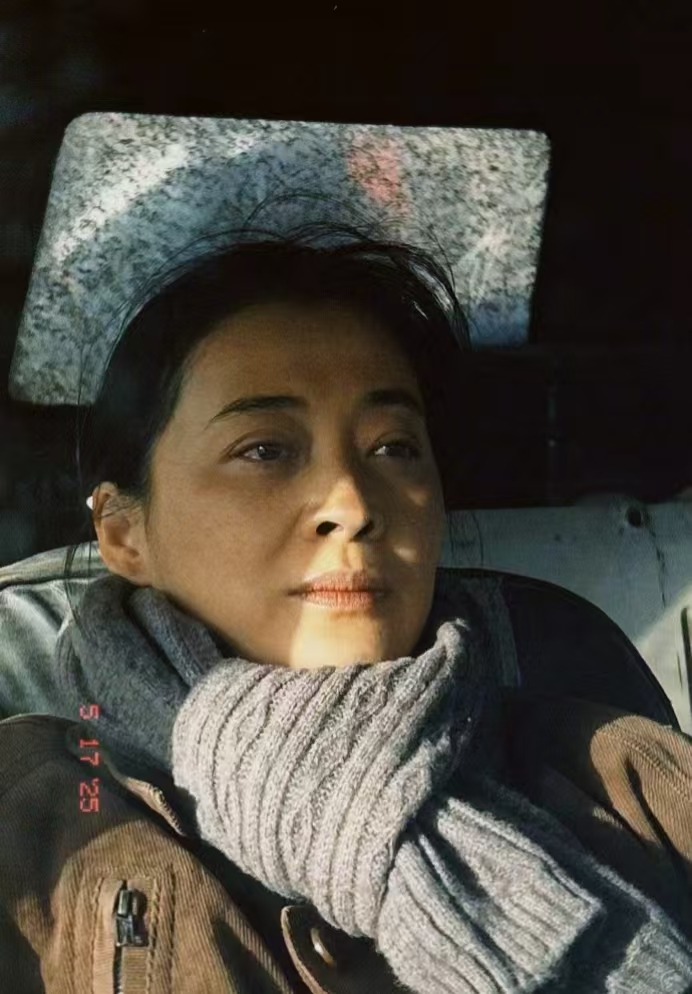
- Jiang Xin Playing Lin Xiuyun (the mother) – portraying her from youth to old age, a thirty-year span entirely supported by her acting skills, without a single moment of lapse in concentration.
- Li Naiwen He portrayed Chen Jianguo (the father) with remarkable depth and nuance, capturing the silence and awkwardness of a typical Chinese father.
- Song Zuer Playing Chen Xiaowei (daughter) – The character's growth arc is very complete, from a rebellious teenager to an independent woman.
- Zhu Yilong Special appearance by Chen Xiaojun (son) – limited screen time but every scene is memorable.
- Wu Yanshu The actress playing the grandmother—the nation's beloved grandmother—is back with another tearjerker performance; her farewell scene even trended on social media.
? Story Summary
"The Tree of Life" tells the story of three generations of the Chen family from 1990 to 2025.
First storyline: Parents' marriage
Lin Xiuyun and Chen Jianguo are a typical "Chinese couple"—they argued about dowry, mother-in-law/daughter-in-law relationships, and their children's education when they were young. They argued their whole lives, but never thought of separating. There's a particularly poignant line in the drama: "Our generation doesn't understand what love is, but we understand what it means to live life."
The second line: the growth of children
The daughter, Chen Xiaowei, was always the "model child" in the eyes of others, attending prestigious schools and later studying abroad. The son, Chen Xiaojun, had average grades and entered the workforce early. The two children took completely different paths, but both stumbled, shed tears, and ultimately found their place in life.
The third storyline: Grandma's passing
Wu Yanshu's portrayal of the grandmother is the pillar of the entire series. As long as she is there, the family will never fall apart; during the scene where she passes away, the comments section was flooded with "tears welling up" for a full three minutes.
This drama doesn't have any dramatic plot twists or cheating scandals; it's just about the mundane, ordinary, everyday things you thought you had long forgotten.
But it is precisely these everyday things that are most dangerous.
Why did "The Tree of Life" cause international students to collectively break down?
After the show aired, numerous comments and reflections from international students appeared on Weibo and Xiaohongshu:
"When I saw the scene of the grandmother combing her granddaughter's hair, I cried so hard I almost couldn't breathe."
"The route the male lead took to take the female lead home on his bicycle is exactly the same as the route I took to school when I was a child."
"The scene where Lin Xiuyun packs her daughter's luggage is just like the scene where my mother sent me abroad."
Why are international students so easily moved by these kinds of dramas?
Because what we leave behind is not just a geographical coordinate, but also those "taken-for-granted" scenes of life—soy milk and fried dough sticks from a breakfast stall, the cicadas chirping on the way home from school, and the dinner after Mom and Dad had a fight and then made up.
These are things you wouldn't normally think about, but when a TV show unexpectedly brings them up late at night in a foreign country, their impact is devastating.
There's a scene in *The Tree of Life* that I remember very well:
My daughter, Chen Xiaowei, is spending her first Chinese New Year abroad. On one end of the video call, her family is having their New Year's Eve dinner, while on the other end, she's eating instant noodles in her dorm room. Her mother says, "Honey, you should eat too," and she holds up her instant noodles and says, "This is noodles too."
When I saw this part, I was completely overwhelmed.
Because that is who I am.
What does "electronic pickled vegetables" mean for international students?
The term "electronic pickled mustard tuber" originally described videos meant to accompany meals—you couldn't eat without watching something while eating.
But for international students, the significance of electronic pickled vegetables goes far beyond just "making rice more palatable".
It is a spiritual replenishment station.
Think about it:
- When my brain is completely numb from writing my thesis, I need to switch to watching a ten-minute variety show to recharge.
- After a week of meal prep, I need an episode of a Chinese drama to really enjoy it.
- I was so angry at my teammates on the group project that I was speechless. The only thing that could calm me down was watching their rant videos.
- On sleepless nights, a medley of old songs is more effective than any white noise to help you sleep.
What we need is not "killing time," but...Maintaining connection with your past self and the culture you are familiar with..
If you stay abroad for a long time, you'll find that the jokes that make you laugh out loud and the shows that make you cry are often in Chinese.
This isn't a question of whether or not to admire foreign things; it's a question of cultural genes.
But here's the problem: watching "The Tree of Life" overseas is a really bad experience.
Want to watch "The Tree of Life" overseas? Theoretically, it's very simple—just open iQiyi, after all, it's an exclusive streaming platform.
In practice, you will likely go through the following process:
- Open the iQiyi app → A message appears stating "This content is only available for playback in Mainland China".
- Switching to YouTube to find resources → either it's a censored version, a low-quality bootleg, or there's nothing at all.
- Go to some unofficial websites → There are so many pop-up ads it's unbelievable, and they might not even have the latest episodes.
- I finally found something watchable → It took forever to load, it was like a slideshow, and the key plot points were completely blurred.
Copyright restrictions combined with cross-border network latency can drive a binge-watching enthusiast crazy.
What's even more devastating?
Two episodes of "The Tree of Life" are released every night, and while your friends back home are already discussing the finale, you're still stuck on episode three. Your WeChat Moments are full of spoilers, and your Weibo trending topics are all about memorable scenes. All you can do is block them out and curse them out.
International students should all understand this suffocating feeling of "everyone on the internet is talking about it, but you can't see it."
Later I found a solution
I've tried all sorts of methods—asking friends for domestic accounts, using free VPNs, searching for guides on how to access VPNs back to China—but they were either troublesome, unstable, or already expired.
Later, my roommate recommended it.QuickFoxThis app specializes in accelerators for overseas students returning to China, and many international students use it. It's very simple to use: download and register, activate the return-to-China mode with one click, open iQiyi and refresh the page, and "The Tree of Life" will be available to watch immediately. The whole process takes less than two minutes.
I watched all 30 episodes in real-world testing, and there was no buffering in 1080P quality. The comments were synchronized in real time, and it updated simultaneously with domestic updates. Besides watching dramas, it also works with NetEase Cloud Music, Bilibili Live, the domestic version of Douyin, and even acceleration for Chinese games. Basically, it covers all scenarios that require a mainland China IP address.