




A key match in the LPL Spring Split: BLG vs. JDG
On March 23rd, the LPL Spring Split featured a highly anticipated matchup. According to the official starting lineups, Mark returned to the starting lineup to face Meiko, while Ale would engage in a fierce battle against 369 in the top lane. These two matchups were undoubtedly the biggest highlights of the day, causing a stir in the domestic esports community.
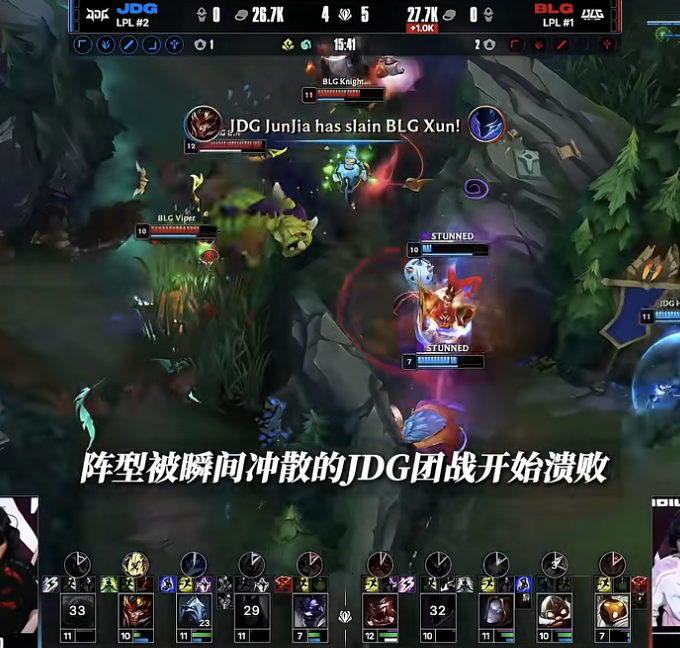
Judging from their performance at the Global Vanguard Tournament, BLG is in excellent form, ending the LPL's BO5 curse against LCK teams in international tournaments. JDG, as a veteran powerhouse, boasts considerable roster depth and tactical reserves. This match not only affects their Spring Split standings but could also impact their qualification for the Mid-Season Invitational (MSI). Major domestic streaming platforms—Huya, Douyu, and Bilibili's esports section—have already prepared high-definition signals and multiple commentaries, awaiting the influx of viewers.
Overseas fans watch the live stream, but are often turned off by the online environment.
However, for international students studying abroad, this anticipation is accompanied by frustration. One LPL fan studying in North America commented on social media: "I knew BLG had a match today, but Huya Live kept buffering, and by the time it loaded, the team fight was already over." "I wanted to find Chinese commentators, but I couldn't connect to domestic platforms, and I couldn't understand the tactical terms in English commentary."
Even more embarrassingly, some users who managed to get the live stream started found that the interactive functions were limited—they couldn't send comments, couldn't send gifts, and couldn't even enter the live stream room. This "spectator" experience caused many people to lose their enthusiasm for watching the game.
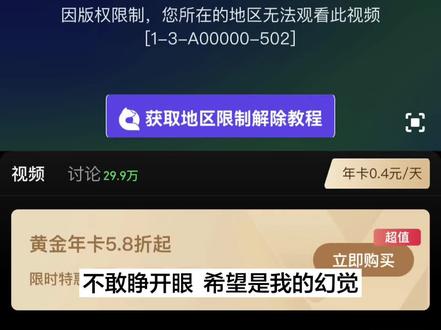
Why does watching domestic live streams from overseas always buffer?
The reason is simple—network latency caused by geographical distance. When overseas users access domestic live streaming platforms, data needs to cross multiple international nodes. Coupled with bandwidth congestion during peak hours, buffering and disconnections are almost commonplace. This is especially true for content like esports competitions, which have extremely high real-time requirements; a delay of just a few seconds can cause you to miss a crucial team fight.
Actually, solving this problem doesn't require complicated technical operations. For overseas users who frequently need to return to China to watch live streams, binge-watch dramas, or play games, a reliable network accelerator is essential. QuickFox is a tool specifically designed for overseas Chinese to accelerate their return to China. It helps you establish a stable network channel to China, directly connecting to domestic servers.

What can you do after accelerating?
The usage scenarios are actually quite flexible: you can watch high-definition live streams of Bilibili's esports section on your computer in your dorm room, or lie on the sofa and watch Chinese commentary on Huya on your iPad, or even participate in discussions on domestic game forums while watching matches. The effects after acceleration vary from person to person, but most users report a significant improvement in connection stability and a substantial reduction in buffering.
Limited-time offer: QuickFox is currently offering a limited-time promotion: free acceleration for three games—Delta Force, Valorant, and Naruto—until March 31st! While watching live streams is not included in the free trial, new users can register and use the redemption code 【QF51】 to receive 12 hours of free trial time, which can be used to test the acceleration effect.
Click the link below to download QuickFox. After registering, use the redemption code 【QF51】 to receive a free 12-hour trial membership. For time-sensitive content like esports events, it's recommended to prepare a speed-up tool before the match starts to ensure you don't miss any exciting moments!