




In March 2026, several classic...Online gamesThey all coincidentally received major updates.renewWorld of Warcraft has launched a new exploration chapter, introducing new fire-breathing monsters.PlayerPlayers need to explore hidden supply points and scout towers to embark on a brand new adventure; the mobile version of DNF has also launched new dungeons and class balance adjustments. These updates have excited veteran players in China, with social media flooded with dungeon guides and discussions on equipment combinations.
However, for veteran players who have already moved overseas, this excitement is difficult to translate into actual action. Some shared on forums: "I've been AFK for three years, and seeing the update made me really want to go back and check it out, but the launcher just keeps spinning." "I finally managed to connect to the server, but I kept getting disconnected while playing dungeons; my teammates all thought I was intentionally AFK." Even more frustratingly, some players gave up after a few attempts: "An hour of messing around, only five minutes of actual gameplay—who can stand that experience?"
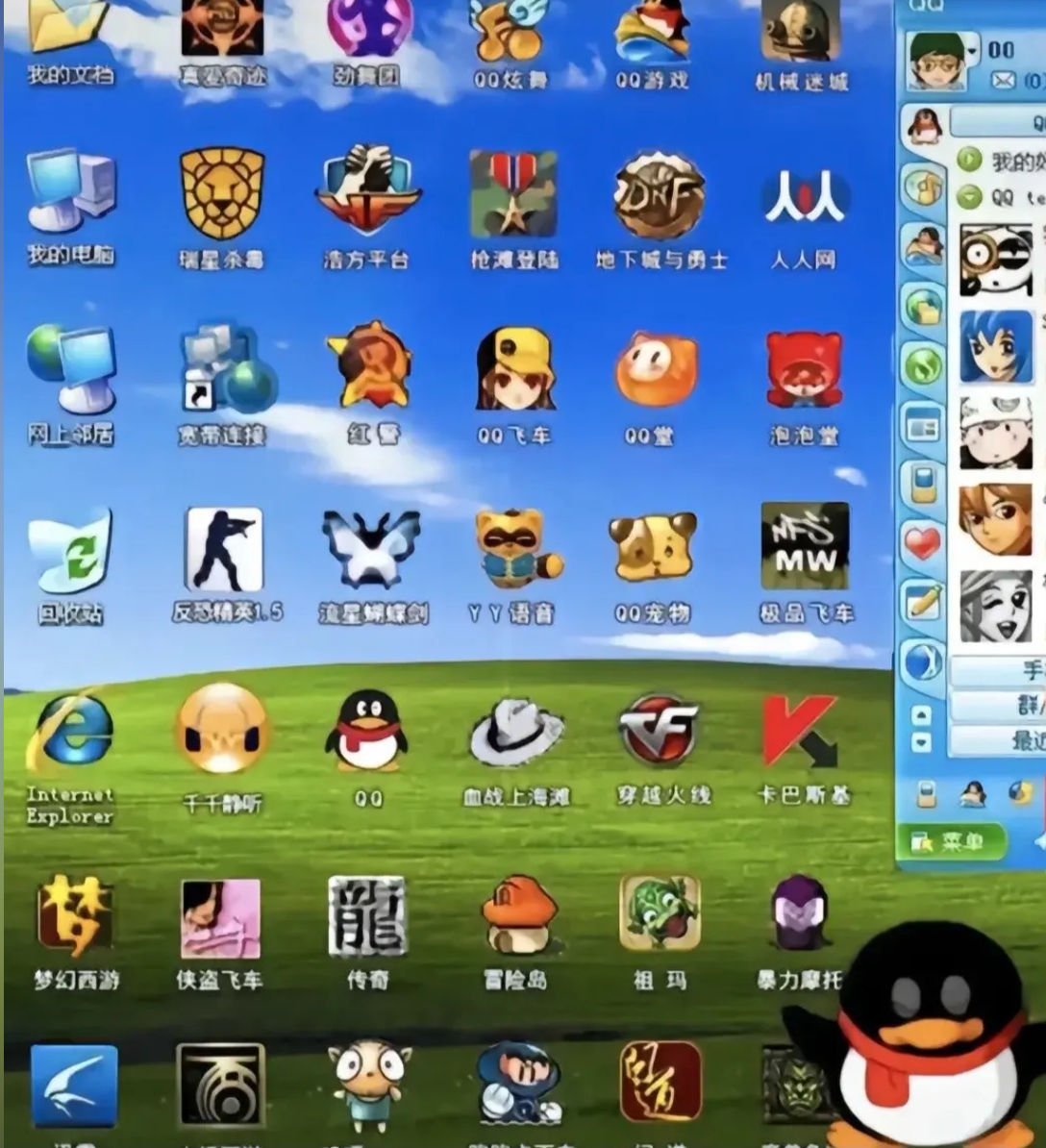
Why do MMOs have such high network requirements?
The root of this predicament lies in network architecture. Almost all domestic online game servers are deployed within mainland China. When overseas players connect directly, not only is latency high, but international bandwidth becomes extremely congested during peak evening hours, resulting in persistently high packet loss rates. For MMOs, which require a consistently stable connection, this network condition makes normal gameplay virtually impossible.
The solution is actually quite clear—optimize the network path back to China through technical means. Accelerators like QuickFox work by creating a dedicated channel for you to access the network, prioritizing game traffic through lower latency and more stable lines. While they can't eliminate the inherent latency caused by physical distance, they can significantly reduce the impact of network fluctuations and packet loss.
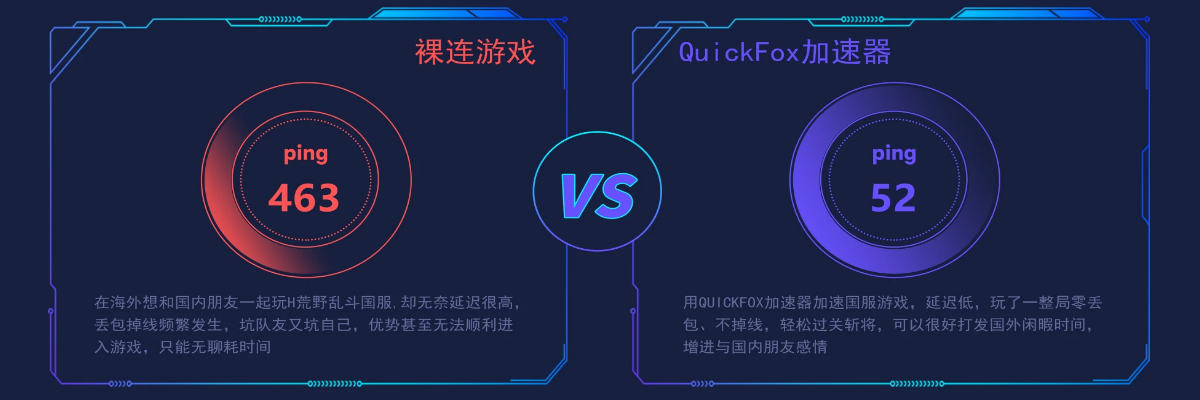
Comparison before and after acceleration
In real-world usage, the differences are quite noticeable. Before acceleration, logging into the game might require multiple attempts, and frequent disconnections occurred after entering a dungeon; after acceleration, the login process is more stable, and the number of disconnections and reconnections during gameplay is significantly reduced. Of course, the specific effects will vary depending on factors such as your region, local network quality, and game server load.
For overseas gamers looking to return to classic online games, the value of these tools lies in allowing them to focus on the game itself rather than battling network issues. Whether you want to experience the new version's storyline or reunite with old friends back home, a stable connection is essential.
Click the link below to download QuickFox. After registering, use the redemption code 【QF51】 to receive a free 12-hour trial membership. For MMOs, which require long periods of online play, it's recommended to use the free trial to test stability and see if it meets your daily gaming needs.